In the global manufacturing landscape of 2026, sustainability and cost-efficiency are no longer separate goals—they are the same. When B2B buyers evaluate air filtration, they often focus on the initial purchase price. However, the true cost of filtration is the Total Cost of Ownership (TCO), which is dictated by one critical metric: Dust-Holding Capacity (DHC).
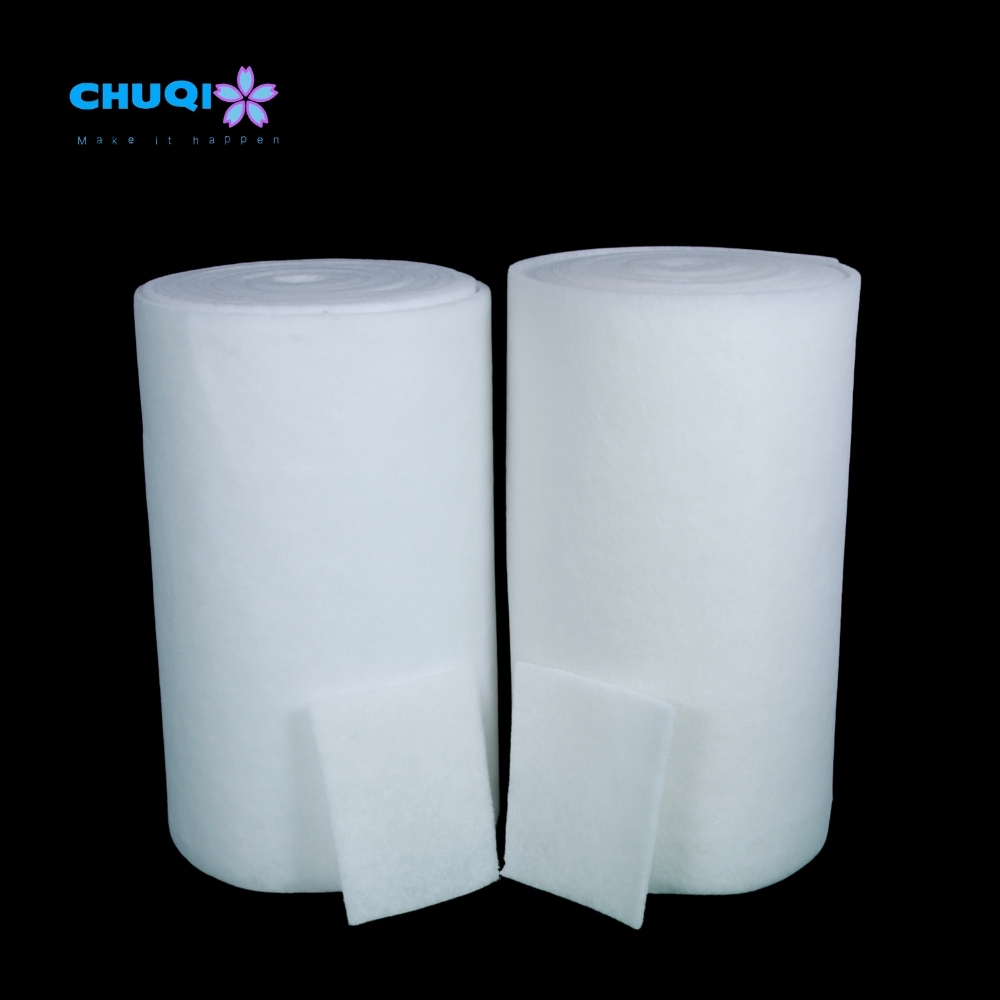
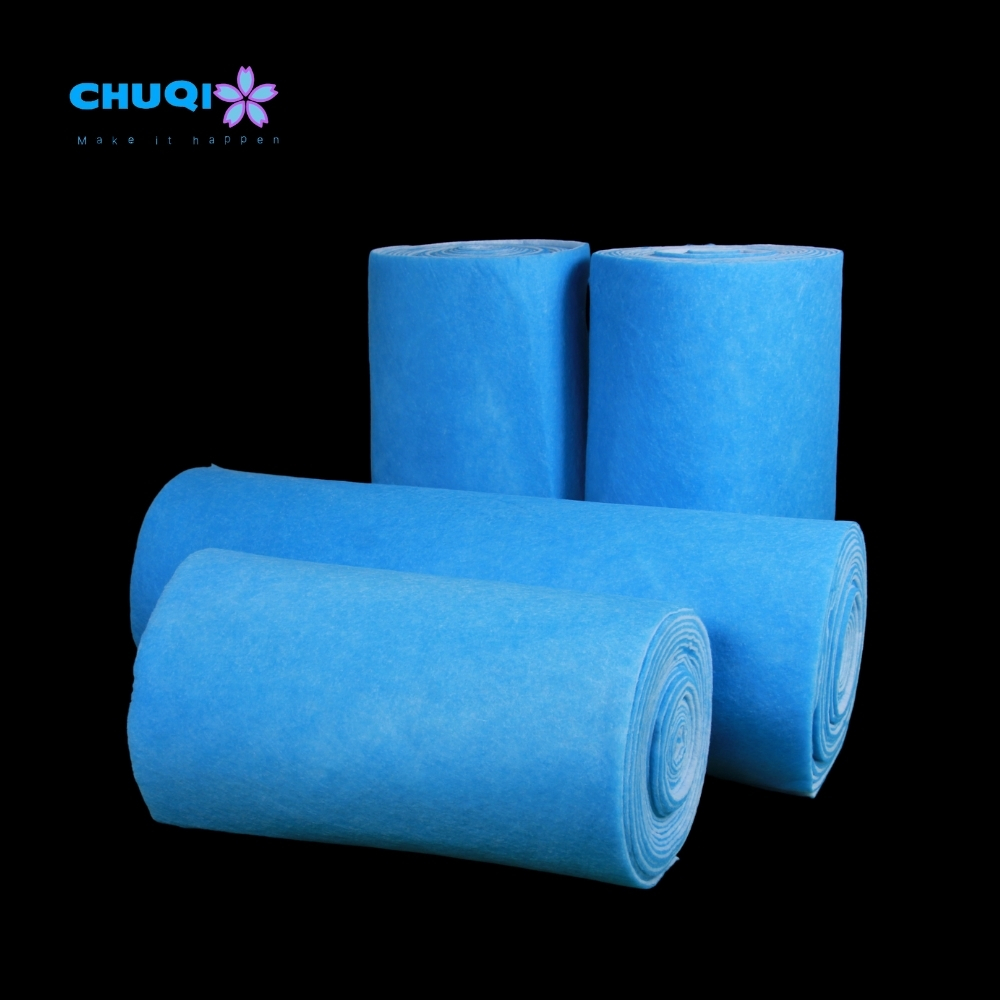
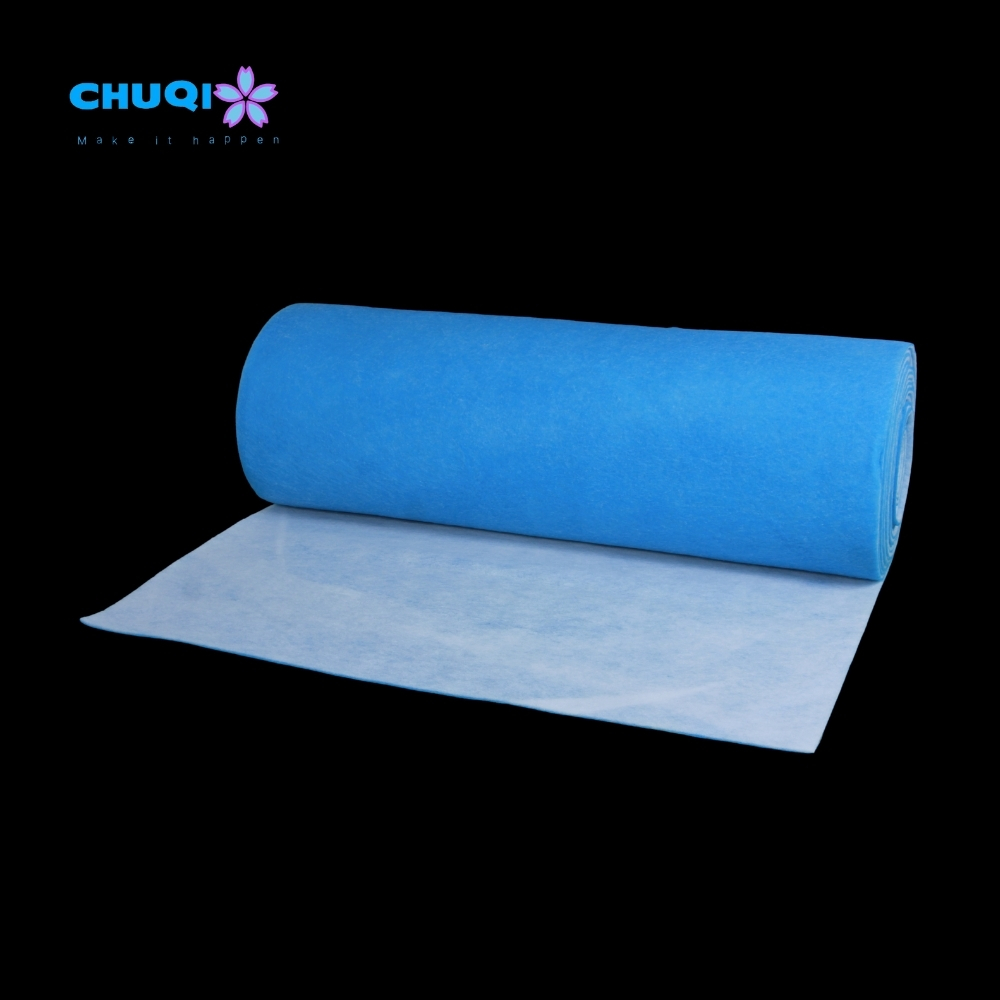
The Science of Depth Loading A cheap filter typically utilizes “Surface Loading.” This means particles are caught only on the very top layer of the fibers. This causes the air resistance (pressure drop) to spike almost immediately, forcing you to replace the filter prematurely. In contrast, our high-performance media is designed for Depth Loading. By using a gradient fiber matrix—where the fibers get progressively tighter—we allow dust to penetrate deep into the filter material.
Quantifiable Savings Choosing a filter with high DHC (like our 470G/㎡ high-density series) offers three direct financial benefits:
Extended Service Life: While standard filters may need replacement every 300 hours, our depth-loading media can last 500-600+ hours. This slashes your annual filter spend in half.
Reduced Labor & Downtime: Every filter change requires labor and production stoppage. Fewer changes mean more uptime for your facility.
Lower Energy Bills: Fans have to work much harder to push air through a clogged filter. By maintaining a lower “Average Pressure Drop” over time, high-DHC filters significantly reduce your facility’s energy consumption.
Sustainable Manufacturing By reducing the frequency of filter changes, you also reduce industrial landfill waste. Investing in high-capacity filtration is a powerful way to hit your corporate sustainability targets while simultaneously boosting your bottom line.